May 1, 2026
A properly functioning septic system depends on more than routine pumping or occasional repairs. Every property has unique conditions that influence how well a system performs over time. Soil composition, water usage, system age, and layout all play a role in determining what type of care or upgrades may be necessary. When you work with a septic tank company, the process begins with a thorough assessment to uncover these variables and inform decisions.
A detailed evaluation helps prevent costly issues while ensuring the system operates efficiently for years to come. Rather than taking a one-size-fits-all approach, a professional septic tank service carefully examines your property and system to determine the most appropriate services, maintenance schedule, or potential replacements.
Initial Property Evaluation and System Overview
Understanding Property Layout and Usage
The assessment process starts with a close look at the property itself. A septic tank company considers the size of the lot, the location of the home, and how wastewater flows across the land. Factors such as slope, drainage patterns, and proximity to water sources can significantly impact how a septic system should be designed or maintained. This foundational review ensures that all future recommendations align with the property's physical realities.
Another important aspect of assessment is a clear understanding of how the property is used. A household with a larger number of occupants or higher daily water usage places more demand on the system. By evaluating usage patterns, a septic tank service can determine whether the current system is adequately sized or if adjustments are necessary to handle the load. This insight helps prevent overloading the system and reduces the likelihood of premature wear.
Reviewing Existing System Components
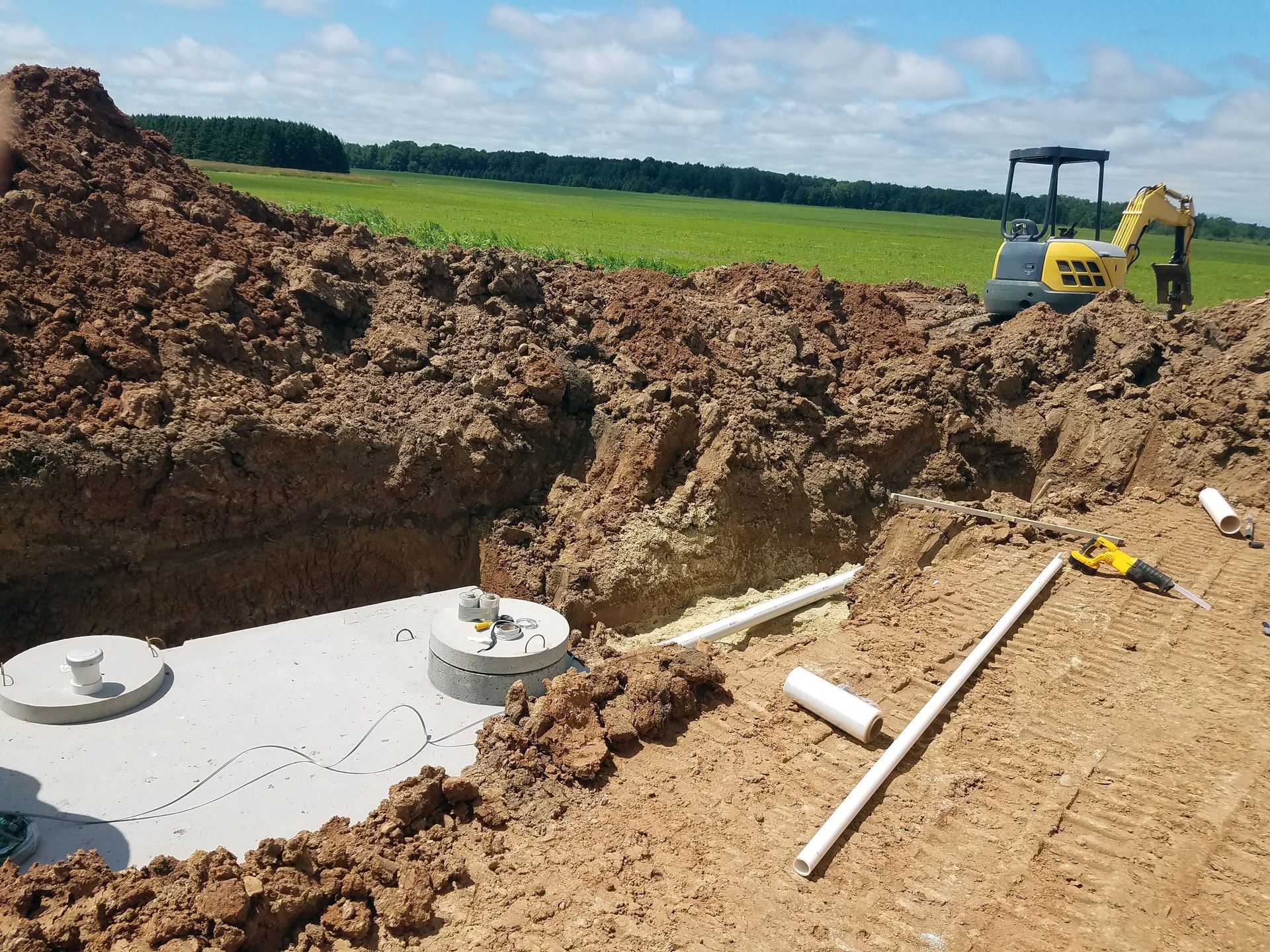
After assessing the property layout, attention shifts to the septic system itself. This includes identifying the type of tank, the condition of pipes, and the layout of the drain field. A septic tank service will inspect visible components and gather records when available to understand how the system was originally installed. This detailed review provides a clearer picture of how well the system aligns with current needs.
This step often reveals whether the system meets current standards or if certain components are outdated. Older systems may lack the efficiency or durability of newer designs, making them more susceptible to failure under modern usage demands. Recognizing these gaps early allows for more proactive and cost-effective planning.
Identifying Immediate Concerns
During the initial walkthrough, professionals also look for signs of active problems. Slow drains, unpleasant odors, or standing water near the drain field can indicate underlying issues that require prompt attention. A septic tank company prioritizes identifying these concerns early to prevent further damage and reduce the risk of system failure. Catching these warning signs early can significantly limit repair costs and system downtime.
Addressing immediate issues during the assessment phase ensures that any recommendations are grounded in both current conditions and long-term needs. This approach creates a more accurate and actionable plan for maintaining system health.
Professional Soil Testing and Environmental Considerations
Analyzing Soil Composition
Soil plays a critical role in how a septic system functions. Different soil types absorb and filter wastewater at varying rates, directly affecting the efficiency of the drain field. A septic tank service conducts soil testing to determine whether the ground can properly handle wastewater dispersal. This information is essential for ensuring proper drainage and avoiding long-term performance issues.
Sandy soils tend to allow faster drainage, while clay-heavy soils may retain water and slow the process. Understanding these characteristics helps professionals determine whether the existing system is suitable or if modifications are needed to improve performance. Matching the system design to soil conditions is key to maintaining consistent and reliable operation.
Evaluating Drain Field Performance
The drain field is one of the most important components of any septic system. During the assessment, a septic tank company evaluates how well this area is functioning by checking for signs of saturation, uneven distribution, or restricted flow. This evaluation helps identify whether the system is dispersing wastewater as intended.
If the drain field is not operating correctly, it can lead to backups and environmental contamination. Identifying these issues early allows for targeted solutions, such as repairs, expansion, or redesign of the system layout. Timely intervention helps preserve the surrounding property and prevents more extensive damage.
Considering Environmental Impact and Regulations
Local regulations and environmental considerations also influence how a septic system should be managed. A septic tank service ensures that the system complies with applicable guidelines, which are designed to protect groundwater and surrounding ecosystems. Staying compliant helps avoid legal complications and supports responsible property management.
Environmental factors such as seasonal rainfall, nearby vegetation, and groundwater levels are also taken into account. These elements can change how a system performs over time, making it essential to factor them into any recommendations. Accounting for these variables ensures the system remains effective under changing conditions.
Long-Term Planning and Service Recommendations
Determining System Lifespan
One of the most important aspects of a property assessment is how much life remains in the existing system. According to the Environmental Protection Agency, systems that are 25 to 30 years old are often approaching the end of their functional lifespan, making proactive replacement planning a practical step. This perspective helps property owners avoid emergency replacements and unexpected expenses.
A septic tank company uses this guideline, along with observed wear and system performance, to help property owners prepare for future upgrades. Planning ahead reduces the likelihood of unexpected failures and allows for more strategic budgeting. Taking a forward-looking approach ensures greater control over long-term costs.
Creating a Maintenance Schedule
Routine maintenance is essential for extending the life of a septic system. Based on the assessment findings, a septic tank service develops a customized maintenance schedule that aligns with the property's specific needs. This tailored approach ensures that maintenance efforts are both efficient and effective.
This schedule may include regular pumping, inspections, and minor repairs to keep the system functioning efficiently. By following a structured plan, property owners can avoid many common issues and maintain consistent performance over time. Consistency in maintenance plays a major role in preventing avoidable system failures.
Recommending Repairs or Upgrades
In some cases, the assessment will reveal the need for repairs or system improvements. These recommendations are tailored to address both current issues and potential future concerns. A septic tank company may suggest replacing worn components, expanding the drain field, or upgrading the entire system if necessary. Each recommendation is based on practical findings rather than assumptions.
The goal is to ensure that the septic system can handle the property's demands while meeting safety and environmental standards. Clear, informed recommendations help property owners make decisions with confidence. Implementing these changes at the right time helps maintain system reliability and long-term performance.
A comprehensive property assessment is the foundation of effective septic system management. By evaluating the layout of the land, the condition of existing components, and the surrounding environmental factors, a septic tank company can provide accurate insights into what your system needs to perform reliably.
This process not only identifies current issues but also supports long-term planning, helping you avoid unexpected problems and costly disruptions. With a clear understanding of your property and system, you can take proactive steps to maintain efficiency, protect your investment, and ensure dependable performance for years to come. For a septic tank service that you can count on to assess your property's needs, be sure to contact Reliable Septic Services!